Skip to content


When the power goes out in Mississippi, it’s more than an inconvenience. It can shut down your life: no fridge, no AC, no WiFi. And let’s be honest, the no-coffee situation? That’s the real emergency.
However, while everyone agrees that having a backup generator is a smart move, figuring out what size you need can be a challenge. That’s where it gets tricky. Too small, and you’ll trip the system. Too large, and you’re overspending on power you’ll never use.
That’s where we come in.
At Environment Masters, we’ve been helping families in Central Mississippi stay safe and comfortable for more than 60 years. Whether it’s a summer storm or a winter freeze, we know what it takes to keep your home powered up without the guesswork.
This guide will walk you through how to choose the right size generator for your home, how to calculate your energy needs, and how to avoid common pitfalls along the way.
Step 1: What Do You Want to Power?
Before you choose a generator, decide what you actually need to run when the power goes out. Here’s a quick way to break it down:
Must-Haves (Essential Items):
- Refrigerator and freezer
- Central AC or space heaters
- Medical equipment (CPAP, oxygen concentrators)
- Lights in key rooms
- WiFi and phone chargers
Nice-to-Haves:
- Microwave or oven
- Washer and dryer
- Water heater
- Entire home, including outlets and garage
Once you’ve got your list, you’re ready for the next step.
Step 2: Estimate Your Power Needs
Generators are rated in watts or kilowatts. Every appliance or system in your home uses a certain number of watts to run. Some also need a temporary power surge to start up, called starting watts.
Here’s a ballpark breakdown of common home appliances:
| Appliance | Running Watts | Starting Watts |
| Refrigerator | 700W | 1200W |
| Central AC (3-ton) | 3500W | 7000W |
| Lights (whole house) | 500 to 1000W | — |
| Well Pump | 1000W | 2000W |
| Microwave | 1000W | — |
| Phone Charger | 10W | — |
To size your generator, add up the running watts of everything you want to power at the same time, then add a buffer for starting watts, especially if your HVAC system is included.
Pro tip: If you’re not sure how to total it up, we can help with a professional load assessment. Just give us a call.
Step 3: Choose the Right Type of Generator
Before you can decide on the exact size, it’s important to know which type of generator fits your needs. The two main options, portable and standby, offer very different benefits depending on how much coverage and convenience you’re looking for. Here’s how they compare:
Portable Generator
- More affordable
- Good for small loads or short emergencies
- Requires manual setup and refueling
- Not ideal for long-term outages
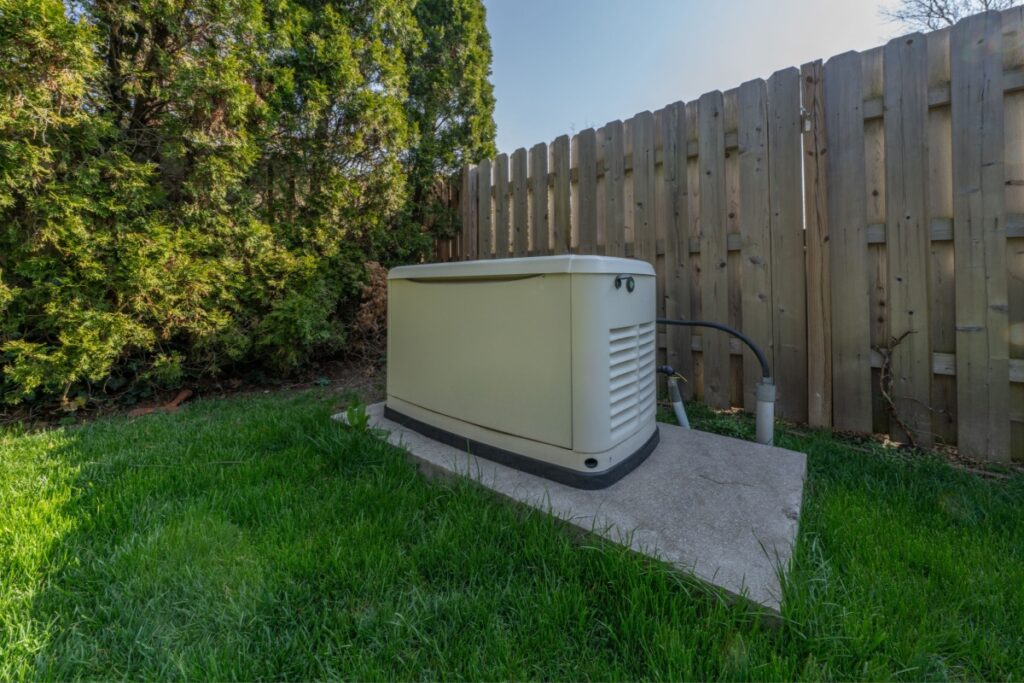
Standby Generator
- Automatically turns on during an outage
- Powers the entire home or selected circuits
- Runs on natural gas or propane
- Adds home value
- Higher upfront investment
Step 4: Match the Generator Size to Your Home
Here’s a general sizing guide based on your needs:
| Generator Size | What It Powers |
| 5 to 7 kW | Essentials only like fridge, lights, small AC unit |
| 8 to 12 kW | Essentials plus a few small appliances |
| 13 to 17 kW | Partial home including HVAC |
| 18 to 22 kW and above | Whole-home coverage, including HVAC and appliances |
Mississippi homes often need HVAC backup. Especially in July and August, even a short outage can turn your home into a sauna. So don’t skip over your cooling system when planning.
Step 5: Fuel Source and Runtime
Most standby generators in our area run on natural gas or propane. Here’s how they compare:
Natural Gas:
- Most convenient
- Constant fuel supply
- No need to refill
Propane:
- Ideal for rural homes
- Needs a tank
- Clean burning
Gasoline (portable units):
- Easy to find
- Short runtime
- Needs frequent refueling
During extended outages, standby generators offer the most peace of mind because they can run as long as your fuel supply lasts.
Common Mistakes to Avoid
- Choosing a generator that’s too small
- Forgetting startup surges for major systems
- Not planning for future needs, like new appliances or a home office
- Skipping professional help with sizing or installation
Power Without the Guesswork
Choosing the right generator doesn’t have to be complicated. When you understand what you need to power, how much energy those essentials use, and which type of generator fits your lifestyle, you’re well on your way to a smarter, safer, more comfortable home.
And when you’re ready for help, we’re here.
At Environment Masters, we’ll come to your home, assess your specific needs, and give you generator options that make sense, not just for your square footage, but for your day-to-day life. Whether you want basic backup for essentials or full-home coverage, we’ll make sure you get the right size and type of generator the first time.
We also offer:
- Professional, no-hassle installation
- Flexible financing options
- Year-round maintenance and service support
Let’s take the guesswork off your plate and get you set up with reliable backup power that works when you need it most.
Call us today at (601) 300-2564 to schedule your free generator sizing consultation or book your appointment online and enjoy peace of mind when the power goes out.