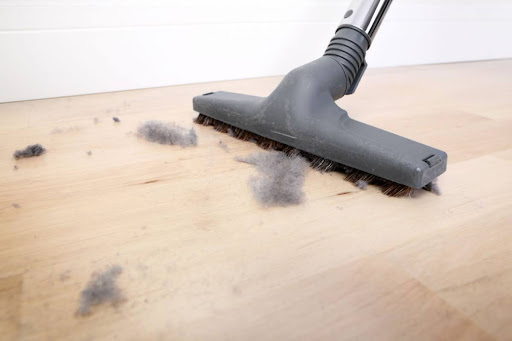

You sweep, you vacuum, and you wipe down every surface. Yet, a day later, a fine layer of dust has already settled back onto your furniture. It’s a frustrating cycle that makes you feel like your cleaning efforts are for nothing. If you’re tired of constantly battling dust, the issue might go deeper than your cleaning routine.
The air quality inside your home plays a huge role in how dusty it feels, and often, the real solution is found within your home’s unseen systems.
Environment Masters has indoor air quality services to help you achieve a fresher living space, with everything from high-performance air filters and purifiers to duct sealing and replacement. We also work with Heat and Energy Recovery Ventilators (HRV/ERV) as well as whole-home humidifiers and dehumidifiers to create lasting change.
Let’s create a plan for your home together — give our local team a call today!
Common Sources of Dust Indoors
Before you can tackle the dust, it helps to know what it is and where it comes from. Dust is a collection of tiny particles from many different origins. Here are a few of the most frequent contributors to the buildup in your home.
- People and Pets: A significant portion of household dust is made of shed skin cells from people and pet dander. Every time you move, you release these microscopic flakes into the air, which eventually settle on surfaces.
- Outdoor Pollutants: The world outside is a major source of indoor dust. Pollen, soil particles, and industrial emissions enter your home on your shoes, through open windows, or via small cracks in your home’s structure.
- Household Items: Your cozy home furnishings contribute to the dust problem. Fibers from carpets, upholstered furniture, curtains, and even clothing break down over time and become airborne particles that gather around your living space.
How HVAC Systems Impact Dust Levels
Think of your heating, ventilation, and air conditioning (HVAC) system as the lungs of your home. It circulates air through every room, and its performance is directly linked to how much dust you see.
A standard, clogged, or low-quality air filter can’t effectively trap small particles. Instead of capturing dust, your system just pushes it right back into your living areas. Over time, the ductwork itself can accumulate dirt, dander, and other debris, becoming a reservoir that releases dust every time the heat or air conditioning kicks on.
Poor Ventilation and Air Leaks
The way air moves through your home has a big effect on dust. A house that is sealed up tight without a good ventilation strategy can trap airborne particles inside, with no way for them to escape. This means the same dusty air keeps circulating day after day.
On the other hand, a home with numerous air leaks around windows, doors, and electrical outlets can act like a vacuum, pulling in dust and allergens from outside. Both situations create a difficult environment for keeping your home feeling fresh and clean.
The Role of Humidity in Dust Buildup
The moisture level in your air, or humidity, also influences how dust behaves. When the air is very dry, especially in winter, dust particles are lighter and can float around for much longer before they land. This makes the air feel dustier.
Conversely, when the air is too damp, dust particles can absorb moisture and become sticky, clinging to surfaces and making them harder to clean. Finding the right humidity balance is a key step toward controlling dust.
Cleaning and Lifestyle Habits
Your daily habits can either help or hinder your fight against dust. Using a dry feather duster or cloth can often just stir dust up, relocating it from one surface to another without actually removing it.
The number of textiles in a room, like area rugs, decorative pillows, and heavy drapes, also provides more places for dust to hide. Improving your cleaning techniques by using damp cloths or microfiber materials that trap dust can make a noticeable difference in your home’s environment.
Professional Solutions to Reduce Dust in Your Home
Sometimes the fight against dust requires more than household cleaning. Professional indoor air quality services address the hidden sources that keep dust circulating. Installing a whole-home air purification system is great for removing particles before they land. Sealing or replacing ductwork is another effective way to stop contaminants from entering your system.
HRV and ERV units refresh your air supply by exchanging stale indoor air with filtered outdoor air. Last but not least, humidity control systems stabilize moisture levels, making your home less hospitable to dust buildup. Ultimately, with the right solutions from reliable experts, you can enjoy cleaner air and fewer dust bunnies.
Call Now for Indoor Air Quality Services That Kick Dust Bunnies Goodbye!
Dust should never take over your home. When regular cleaning isn’t enough, the team at Environment Masters has the tools and knowledge to help. Our indoor air quality services are built to give you cleaner, healthier, and more breathable air every day. Call us today at (601) 300-2564 to discover how we can help you say goodbye to dust for good.